If you’re evaluating an industrial trash compactor for a warehouse, manufacturing facility, grocery store, or retail location, start with the operation it needs to support. What materials will go into it? How quickly does waste accumulate? Where will the equipment sit? Who will coordinate collections and repairs?
The answers affect both equipment selection and the work required after installation.
Purchasing is one option. A managed rental program is another, combining access to equipment with ongoing service support. This guide explains how to evaluate the equipment, compare the full costs, and decide which arrangement fits your business.
First, identify the problem you need to solve.
Before requesting equipment quotes, document what is happening today.
Are containers filling before scheduled pickups? Is waste taking up valuable loading-dock space? Are employees spending too much time coordinating service? Is an existing compactor unreliable?
These problems require different evaluations.
If pickups are poorly timed, replacing equipment may leave the underlying issue unresolved. If your waste stream has changed, the equipment that worked previously may no longer suit the site.
Bring together recent invoices, service records, equipment information, and feedback from the people handling waste each day. Include seasonal peaks or planned operational changes.
Use that information to define a measurable goal, such as fewer overflow incidents, less time spent coordinating service, or a lower total monthly operating cost.
Match the compactor to your waste stream.
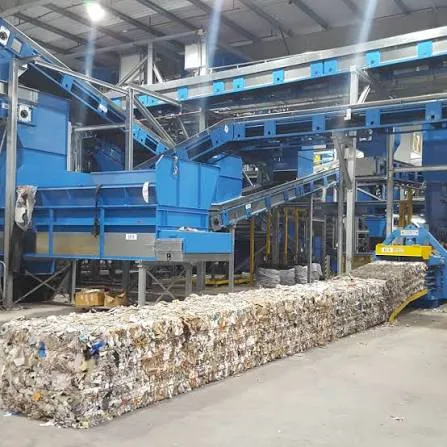
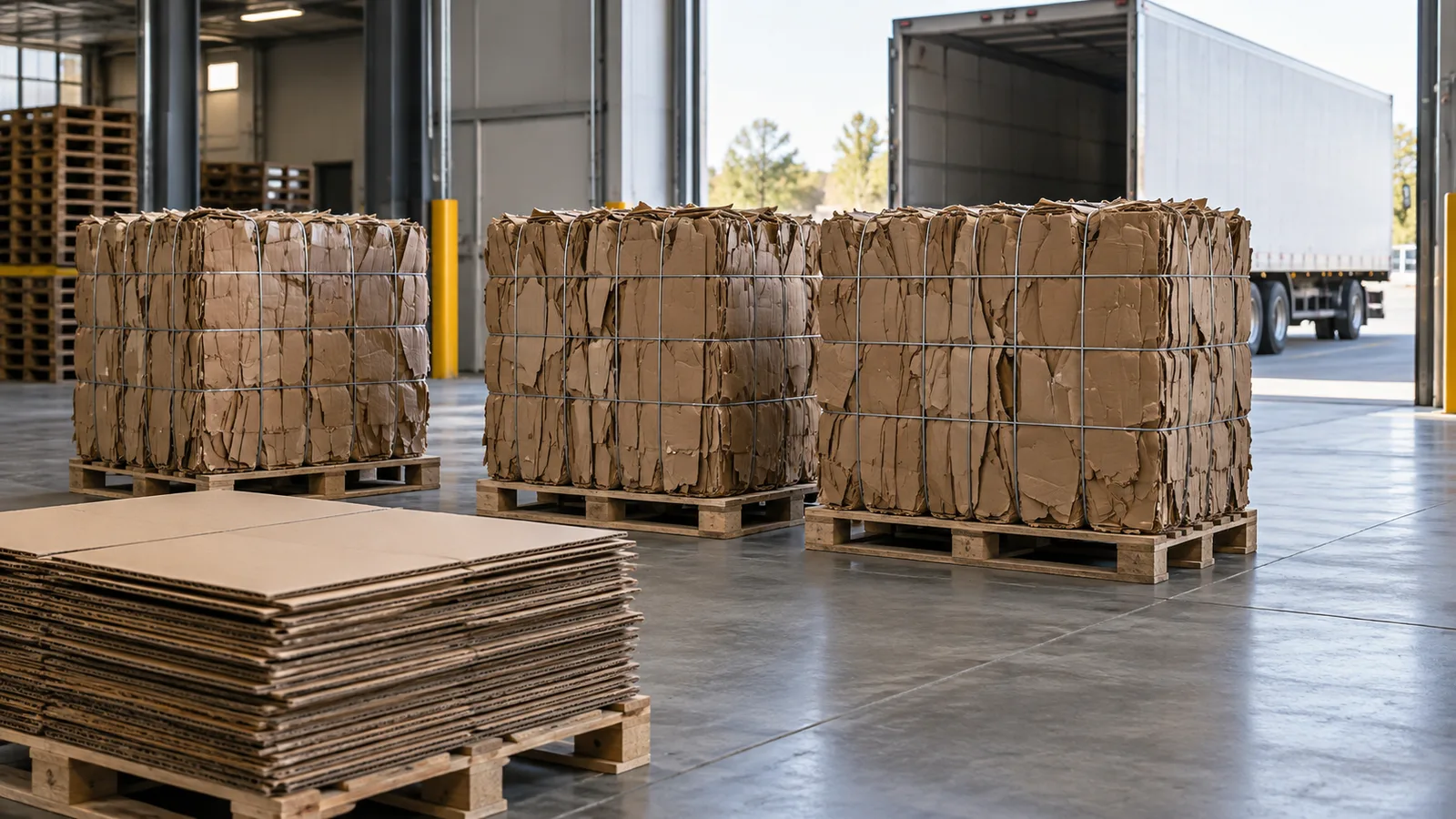
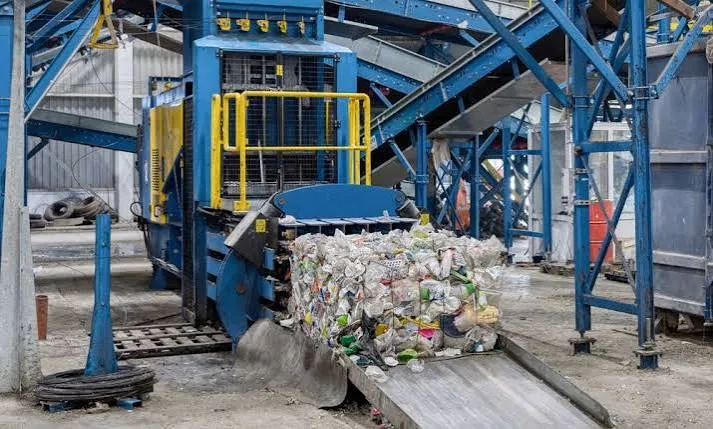
An industrial trash compactor compresses suitable waste materials into a smaller volume for storage and collection. Equipment selection depends on the material, how it is loaded, and the demands of the facility.
Two common categories are stationary and self-contained compactors.
| Equipment category | Typical consideration | Question to ask |
|---|---|---|
| Stationary compactor | Often evaluated for dry waste applications in commercial and industrial facilities. | Does this configuration suit our materials, loading process, and collection arrangement? |
| Self-contained compactor | Often evaluated for wet waste applications, including grocery and food-related operations. | Is this model suitable for the moisture content and materials we generate? |
Manufacturers offer different configurations within these categories. Review the specific equipment and application with a qualified provider. See manufacturer information on stationary compactors and self-contained compactors.
Also review which materials should be kept separate for recycling or other handling. Buying equipment for mixed trash should follow an assessment of the waste streams your site actually needs to manage.
Evaluate capacity alongside the facility layout.
A compactor needs to work within the daily movement of people, materials, and collection vehicles.
Give prospective providers enough information to assess:
- Waste volume: Typical generation, peak periods, and expected changes.
- Material characteristics: Composition, moisture, density, and bulky items.
- Loading workflow: How waste reaches the equipment and how often it is loaded.
- Available space: Equipment placement, access, and collection clearances.
- Site requirements: Power, foundation, and any preparation needed.
- Collection compatibility: Whether the proposed setup works with the hauler and site access.
Ask the provider to explain its recommendation using your site information.
A useful proposal should make the connection between the equipment selected and the operation it will support. A model number and price alone give you little basis for judging suitability.
Compare the full cost of operating the equipment.
The equipment quote is one part of the comparison. Build a cost review that covers installation, use, service, and the end of the planned ownership or rental period.
| Cost area | What to establish |
|---|---|
| Equipment | Purchase price or rental charges, payment terms, and included components. |
| Freight and installation | Delivery, placement, commissioning, and any separate charges. |
| Site preparation | Required electrical work, foundation work, or access modifications. |
| Maintenance and repairs | Included work, exclusions, labor, parts, travel charges, and service arrangements. |
| Hauling and disposal | Collection rates, disposal charges, additional fees, and the expected service schedule. |
| Internal coordination | Time spent arranging pickups, resolving issues, reviewing invoices, and scheduling maintenance. |
| Service interruptions | The backup arrangement and potential cost when equipment is unavailable. |
| End of term | Removal, renewal, return conditions, replacement, or expected resale value. |
Compare proposals over the same period, using consistent assumptions about waste volume and service needs.
Ask suppliers to identify every allowance and exclusion. A lower equipment price may still come with substantial site or service costs.
Test the savings assumptions.
Any savings estimate should explain what is expected to change.
For example, if a proposal assumes fewer collections, ask what information supports that forecast. Will the service schedule change? Will the collection agreement allow that change? What other charges remain?
Request a comparison between:
- Your current costs: Existing equipment, collections, disposal, repairs, and internal coordination.
- Your proposed costs: The new equipment arrangement plus its installation, collection, disposal, service, and coordination requirements.
Use your actual records wherever possible. If some inputs are estimates, identify them so you can revisit the calculation after the equipment is operating.
Decide whether purchasing or managed rental fits your team.
There are two related decisions: how you obtain the equipment and who manages its ongoing needs.
A rental agreement does not automatically include maintenance or hauling. An equipment purchase does not prevent you from arranging outside support. Review the actual scope of each proposal.
Purchasing may fit when:
- Your equipment requirements are stable.
- You expect to use the equipment for an extended period.
- Your team can arrange installation, maintenance, repairs, and collection service.
- You prefer ownership and are comfortable managing the associated responsibilities.
A managed rental program may fit when:
- You prefer rental payments to an upfront equipment purchase.
- Your team wants outside support for equipment service.
- Several facilities need coordinated oversight.
- You want equipment decisions considered alongside the wider waste program.
Neither arrangement is automatically less expensive. Compare the full cost, service coverage, agreement length, renewal terms, and responsibilities.
WHK’s equipment and compactor services offer a managed rental option for businesses evaluating this decision.
Establish who does what when something goes wrong.
Before committing, ask how common service situations will be handled.
Who receives a maintenance request? Who contacts the technician? Who follows up if the equipment remains unavailable? What happens to accumulating waste while repairs are underway?
Get clarity on:
- The point of contact for equipment and collection issues.
- How service requests are submitted and tracked.
- Expected response arrangements.
- Maintenance coverage and exclusions.
- Backup collection or temporary storage arrangements.
- Responsibility for communicating with the facility.
Equipment specifications help you evaluate the machine. These answers help you evaluate the support around it.
For multiple locations, create a consistent evaluation process.
Different facilities may require different equipment. You can still use the same process to assess each site and compare proposals.
Collect the same core information across locations: waste streams, volume, equipment condition, service frequency, costs, and recurring problems.
That gives procurement, facilities, and operations teams a shared basis for decisions. It also helps identify whether an issue is limited to one site or appears throughout the portfolio.
A practical question to ask is:
If we introduce this equipment arrangement across more locations, will it simplify our work, or create additional vendors and responsibilities to manage?
For businesses reviewing the broader operation, WHK’s managed waste and recycling services bring equipment, haulers, scheduling, billing, and reporting into a coordinated program.
Bring these questions to your next equipment conversation.
- Which equipment do you recommend, and what site information supports that choice?
- What installation and preparation work is required?
- What costs are included, and what will be charged separately?
- What collection arrangement is assumed?
- Who coordinates maintenance and repairs?
- What happens when the equipment is unavailable?
- How will we review actual performance and costs?
- What happens if our needs change or the agreement ends?
Use the answers to compare proposals on a consistent basis.
Frequently asked questions
How much does an industrial trash compactor cost?
A useful estimate requires the equipment specification, installation requirements, and service scope. Request an itemized proposal and compare total costs over your expected period of use.
Is buying or renting a compactor better?
The right choice depends on the length of use, available capital, agreement terms, and the resources your team has to manage the equipment. Compare equivalent service coverage alongside the equipment costs.
How do I know which compactor size we need?
Provide your equipment specialist with waste volumes, material details, peak periods, loading requirements, and site dimensions. Ask how those inputs translate into the recommended capacity and collection arrangement.
What should a managed rental proposal include?
It should explain equipment specifications, payment terms, installation responsibilities, maintenance coverage, exclusions, and end-of-term conditions. Confirm separately whether hauling, monitoring, and other services are included.
Evaluate the equipment and the support behind it.
If you’re planning an installation, replacing a compactor, or comparing arrangements across several facilities, start with a review of your operation.
Talk with Waste Harmonics Keter about your current equipment, service challenges, and managed rental options.