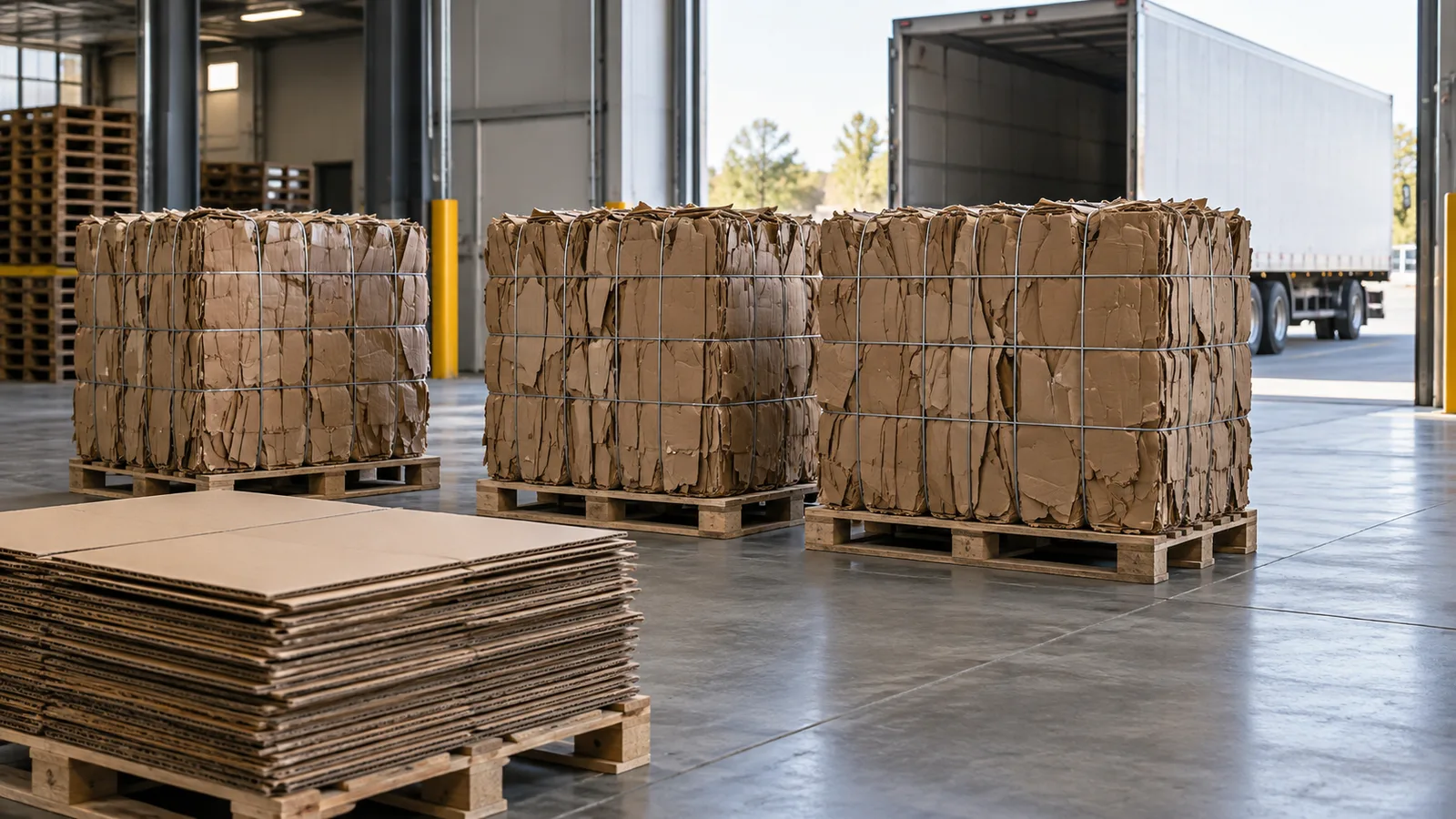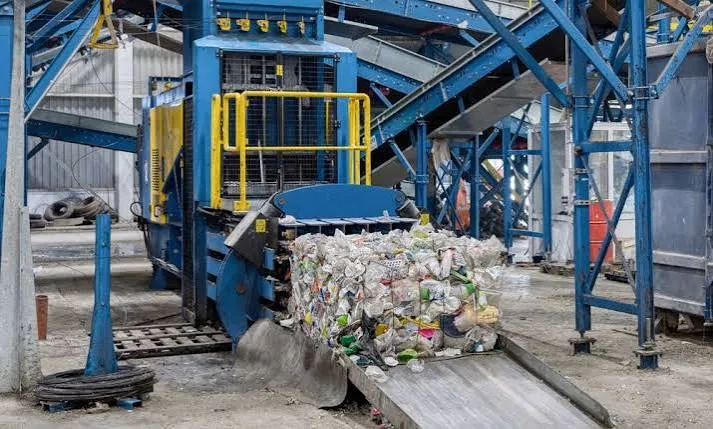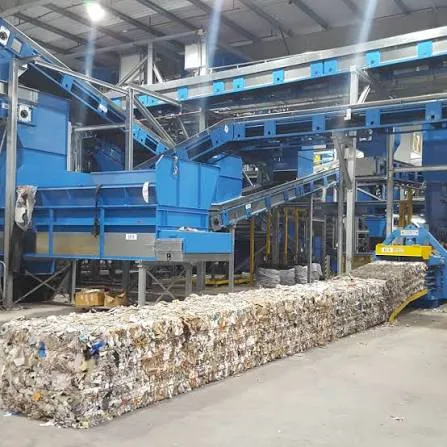
Should you buy or rent an industrial trash compactor? For your facility, the decision comes down to upfront cost, equipment fit, and who handles maintenance when something goes wrong.
Buying puts ownership and upkeep on your team. Managed rental can preserve capital and include ongoing service support. Here’s how to compare the full costs and choose what works for your operation.
Buying vs. Renting at a Glance
Use the comparison below to evaluate equivalent equipment and service requirements. The rental column describes a managed arrangement; actual inclusions must be confirmed in the proposal.
| Decision Factor | Buying | Managed Rental |
|---|---|---|
| Initial Cash | Purchase or financing commitment | Scheduled payments; verify initial charges |
| Maintenance | Owner arranges service and budgets repairs | Provider manages covered work under contract |
| Installation | Procure and coordinate required services | May be coordinated within the rental scope |
| Equipment Changes | Resell, modify, or replace owned equipment | Changes depend on terms and availability |
| Cost Exposure | Repair and resale uncertainty remain | Check escalations, exclusions, and exit fees |
| Best Fit | Stable needs and maintenance resources | Capital preservation and reduced management work |
The practical difference is how much responsibility remains with the facility. A lower monthly price may exclude installation, repairs, or removal, while a more comprehensive agreement can make those responsibilities easier to budget and manage.
When Renting Makes More Sense for Your Facility
An industrial trash compactor reduces the volume of suitable waste so a facility can manage storage and collection more efficiently. Its business value depends on correct sizing, reliable operation, and a hauling program that uses the available capacity. Owning the machine does not automatically improve any of those outcomes.
A managed rental arrangement can combine equipment access with defined service responsibilities. Instead of approving an equipment purchase and separately arranging repairs, the facility buys access to a working asset supported by a provider. That can be valuable for teams already stretched across production equipment, building systems, and multiple sites.
The strongest rental case is operational as well as financial: preserve cash for core activities, assign maintenance responsibility, and establish a clear response process. Rental is not a guarantee of uninterrupted operation, and a bare equipment rental may leave much of the work with your team. Compare the complete service scope before choosing.
Compare Total Cost, Not Just the Monthly Payment
A purchase quote and a rental payment are different pieces of a larger cost model. Compare both options over the same operating period, for the same waste stream, capacity, and service expectations. Otherwise, a low purchase price can look attractive simply because several ownership expenses sit in other departmental budgets.
Build an Ownership Cost Baseline
- Acquisition: Include the equipment price, freight, installation, commissioning, and any financing costs.
- Site Preparation: Identify pad, electrical, access, and enclosure work required for the installation.
- Maintenance: Estimate preventive service, parts, labor, and the staff time needed to arrange repairs.
- Disruption: Consider temporary containers, emergency hauling, and additional handling during outages.
- Exit Value: Account for removal and disposal costs, then subtract a realistic net resale value.
Avoid counting the same expense twice. Site preparation may apply to both options, and a financed purchase should not include both the full purchase price and loan principal repayments in the same cash-flow calculation. Use one consistent method and make assumptions visible.
Build an Equivalent Rental Cost Baseline
For renting, total the scheduled payments over the comparison period, initial charges, excluded maintenance, applicable escalations, site work, and end-of-term obligations. Identify which expenses are already included in the payment. Confirm whether hauling and disposal are separate, bundled, or subject to minimum service commitments.
Renting a compactor is like renting a serviced apartment: the monthly figure makes sense only after you know whether repairs and upkeep are included. A cheaper agreement can shift the work, and the unexpected bills, back to you.
Do not assume rental eliminates installation requirements or accounting obligations. The facility may still need to provide power, a suitable pad, access, and operator training. Ask your finance team to evaluate the actual agreement rather than assuming that every rental receives the same accounting treatment.
Test the Economics With an Honest Example
Consider a simplified five-year comparison using hypothetical inputs, not market pricing or a Waste Harmonics Keter quote. Assume a purchased compactor costs $40,000 installed, owner-paid maintenance averages $2,000 annually, and net resale proceeds after removal are $5,000. The modeled equipment cost is $45,000: $40,000 plus $10,000 minus $5,000.
Now assume an equivalent managed rental costs $800 per month for 60 months, with installation and the same maintenance scope included and no additional end-of-term charge. Its modeled equipment cost is $48,000. The rental premium is $3,000 across five years, or $50 per month on average.
In this example, ownership wins on the narrow equipment-cost calculation. Renting may still be the stronger business decision if avoiding the initial outlay and reducing maintenance coordination are worth the premium. Quantify those benefits separately rather than treating them as automatic savings.
This simplified comparison excludes financing, taxes, discounting, operating energy, hauling, disposal, site work, and disruption costs. Add any differences in those items before deciding. Change the rental rate, maintenance history, or resale assumption and the result changes; there is no universal break-even period.
Choose the Right Equipment Before Choosing Terms
Renting unsuitable equipment creates the same operational problems as buying it. Start with a documented waste profile. EPA’s commercial waste management guidance recommends tracking waste and assessing the existing program before selecting improvements. For equipment procurement, translate that into actual material types, volumes, collection records, and operating patterns.
Use a Site Assessment Checklist
- Waste Characteristics: Identify wet or dry material, density, contamination, and material the equipment is not intended to accept.
- Peak Generation: Measure busy periods and shift changes rather than sizing solely to an average day.
- Loading Method: Confirm how staff will feed the unit and how it interfaces with the dock or collection area.
- Site Fit: Verify footprint, truck access, clearances, electrical requirements, and the installation surface.
- Collection Plan: Match container capacity and hauling arrangements to operating needs and applicable weight constraints.
Ask the supplier to explain why a particular configuration fits the waste stream. Wet waste may require different containment considerations from dry packaging, while a material suitable for recycling may deserve its own recovery equipment. Confirm compatibility and operating limits with the supplier instead of selecting by nominal container size alone.
A rental agreement can offer a route to equipment changes, but an upgrade or swap is not automatically free or immediately available. Clarify availability, freight, installation charges, revised payments, and notice requirements before relying on that flexibility.
Make Maintenance Someone’s Clear Responsibility
The difficult call arrives after the dock has backed up: procurement asks why the purchased compactor needs another unplanned repair, while facilities explains that the warranty covers a component but not every service expense. The waste keeps arriving while the teams work out who can authorize the technician.
Managed rental can reduce that administrative burden when the contract identifies the service owner and the covered work. Ask who receives the first call, who dispatches the technician, and how the provider communicates progress. Distinguish a response-time commitment from a completed-repair commitment; parts availability and fault diagnosis can affect restoration.
Also establish a fallback collection plan for an unavailable unit. Temporary equipment, extra hauls, and site cleanup may have different coverage from repairs. A useful agreement explains both the normal maintenance process and what happens when waste cannot wait.
Rental Does Not Replace Site Safety Duties
OSHA’s hazardous-energy standard, 29 CFR 1910.147, applies to covered servicing and maintenance where unexpected startup or stored energy could injure employees. The applicable energy-control procedures still matter when a compactor is rented. A service contract or remote monitor does not replace safe isolation or authorized maintenance personnel.
Document the responsibilities of the facility and outside service personnel, including coordination of energy-control procedures. Keep operator training, safe access, and reporting of defects in the operating plan. Assigning repairs to a provider does not mean the facility can treat safety as somebody else’s problem.
Read the Rental Agreement Before Signing
- Coverage: Specify preventive maintenance, labor, parts, travel, and exclusions such as damage or misuse.
- Service Commitments: Define reporting channels, response targets, escalation contacts, and backup arrangements.
- Price Changes: Identify escalations, extra-service fees, and the treatment of hauling and disposal.
- Term and Renewal: Check the initial commitment, renewal process, cancellation notice, and early-exit charges.
- Removal and Changes: Confirm return condition, removal costs, relocation terms, and equipment-swap responsibilities.
Put exclusions beside the included services in your comparison. If one proposal includes maintenance and another does not, adjust the cost model rather than declaring the lower payment the winner. Request a written explanation of ambiguous terms before the equipment arrives.
When Buying Can Still Make Sense
Ownership can work for a stable, long-term operation with available capital, reliable maintenance resources, and an equipment specification unlikely to change. A well-supported unit used over a long service life may cost less than successive rental commitments.
The blunt trade-off is this: renting can cost more in cumulative payments, while buying can cost more in cash tied up, repair exposure, and management time. Overbuying leaves capital in unused capacity; underbuying can leave the dock congested and the hauling budget exposed. Neither error is fixed by choosing a different payment method.
For facilities that value preserved capital and a defined service owner, managed rental often deserves preference even when its payment exceeds a bare equipment financing payment. The decision should rest on a like-for-like scope and the facility’s real operating constraints.
How Waste Harmonics Keter Supports Rental
Waste Harmonics Keter’s equipment and compactor rental service starts with site space, waste volume, and operational requirements. Its offering includes new or reconditioned equipment, subject to local availability, with freight and installation coordinated by Waste Harmonics Keter. The site provides access, power, and a suitable pad.
The program includes OnePlus monitoring and managing preventive maintenance and repairs. Ask the proposal to specify coverage, service expectations, exclusions, and the equipment configuration for your facility. Evaluate performance through documented service activity, equipment availability, and the cost of exceptions rather than an assumed savings percentage.
Waste Harmonics Keter’s managed waste and recycling program can also coordinate haulers, scheduling, and consolidated billing across locations. Connecting equipment support with collection management gives procurement and facilities a more coherent way to resolve service issues and review total waste-program costs.
Start With a Rental Assessment
For a facility that needs dependable waste handling without buying and managing another asset, a properly scoped rental program is a strong starting point. Assess the waste stream, compare full costs, and require clear ownership of installation, maintenance, and service issues.
Ask Waste Harmonics Keter for a site assessment and an industrial trash compactor rental proposal. Share your waste profile, available space, existing equipment, and hauling costs so the comparison reflects the operation you actually run.
Frequently Asked Questions
Is Renting an Industrial Trash Compactor Cheaper?
Not always over the full service life. Renting avoids the equipment purchase outlay and can include maintenance, while ownership may have a lower long-term equipment cost. Compare equivalent coverage, installation, contract charges, resale assumptions, and operating expenses before deciding.
Does Waste Harmonics Keter Provide Compactor Rental and Maintenance?
Yes. Waste Harmonics Keter describes a rental offering that includes equipment selection, freight and installation coordination, monitoring, and managed preventive maintenance and repairs. Confirm the equipment available for your location and the detailed service terms in your proposal.
What Must a Facility Provide for Installation?
Waste Harmonics Keter identifies site access, power, and a pad as customer responsibilities. Have the supplier verify the required electrical supply, installation surface, working clearances, and truck access for the proposed model before committing to the installation.
Can a Rented Compactor Be Upgraded or Returned Early?
That depends on the agreement and equipment availability. Obtain written terms for upgrades, relocation, early termination, removal, and return condition. Do not assume a rental can be canceled or exchanged without charges.