Data is Key in Becoming More Sustainable
In an era where environmental concerns are paramount and corporate social responsibility has become a non-negotiable aspect of doing business, waste management has emerged as more than just a cost of doing business. Waste tracking and reporting have taken center stage in this regard, enabling businesses to not only meet regulatory requirements but also improve their operational efficiency while contributing positively to the environment. In this blog post, we will discuss the significance of waste tracking and reporting for sustainable businesses, highlighting how these practices drive operational improvements and outlining the wide array of benefits they offer.
The Foundation of Sustainability Reporting: Waste Tracking
Sustainability reporting, encompassing both Environmental, Social, and Governance (ESG) and Corporate Sustainability Reporting, has become a linchpin in modern business strategies. Amidst this landscape, waste tracking and reporting have emerged as integral parts of the sustainability puzzle. Waste tracking involves the systematic monitoring of waste generated at various stages of a business's operations. This process can be facilitated through advanced Waste Tracking Systems, which help gather and analyze data, allowing companies to better understand their waste generation patterns.
Waste reporting, on the other hand, involves the transparent disclosure of waste-related information in sustainability reports. Just as ESG reporting provides stakeholders with insight into a company's ethical practices, waste management reporting sheds light on the steps taken to minimize waste, reduce environmental impact, and contribute to a circular economy. These reports often follow well-established frameworks, such as the Global Reporting Initiative (GRI) standards, which offer a comprehensive framework for sustainability reporting, including waste-related metrics.
Operational Improvements through Waste Tracking and Reporting
Optimized Resource Allocation: Waste tracking enables businesses to identify inefficiencies in resource utilization. By analyzing waste data, companies can pinpoint areas where resources are being wasted, leading to more targeted efforts to optimize processes and minimize waste generation.
Cost Reduction: Waste generation incurs both direct and indirect costs for businesses. Effective waste tracking and reporting allow for the identification of cost-saving opportunities. By reducing waste, companies can potentially decrease disposal costs, optimize material procurement, and improve overall operational efficiency.
Compliance and Risk Mitigation: Regulatory bodies are increasingly scrutinizing waste management practices. By implementing robust waste tracking systems and reporting mechanisms, businesses can ensure compliance with waste disposal regulations, thereby mitigating legal risks and potential financial penalties.
Innovation and Product Development: Waste tracking and reporting can unearth insights that spark innovation. Companies might discover ways to repurpose waste materials or develop new products from recycled resources, contributing to a circular economy while creating new revenue streams.
Stakeholder Trust and Brand Image: In the age of transparency, consumers and investors are drawn to businesses that demonstrate their commitment to sustainability. Accurate waste reporting showcases a company's dedication to responsible practices, fostering trust and enhancing its brand image.
The Benefits of Waste Tracking and Reporting
Meeting Regulatory Requirements: Governments and regulatory bodies are increasingly mandating waste management practices as part of broader environmental regulations. Effective waste tracking and reporting ensure that businesses comply with these regulations and avoid potential legal repercussions.
Enhanced Environmental Performance: Waste management is a critical aspect of reducing an organization's environmental footprint. By actively tracking and reporting waste generation and disposal, businesses can take concrete steps toward minimizing their impact on the environment.
Stakeholder Engagement: Investors, customers, employees, and communities at large are demanding greater transparency from businesses regarding their sustainability efforts. Comprehensive waste reporting provides stakeholders with a clear view of a company's commitment to waste reduction and sustainability, fostering better engagement and relationships.
Competitive Advantage: A commitment to waste reduction and responsible waste management can set a business apart from its competitors. Consumers are increasingly favoring companies that align with their environmental values, giving sustainable businesses a competitive edge.
Long-Term Cost Savings: While the initial investment in waste tracking systems and reporting mechanisms might seem substantial, the long-term benefits far outweigh the costs. Cost savings from reduced waste disposal, optimized resource allocation, and improved efficiency can have a significant positive impact on the bottom line.
Sustainability Reporting Standards and Waste Management
When it comes to comprehensive sustainability reporting, adherence to established frameworks is key. There are several different reporting standards used across the globe, including the International Sustainability Standard Board (ISSB), International Integrated Reporting Council (IIRC), Sustainability Accounting Standards Board (SASB), and Global Reporting Initiative (GRI). Here at WHK, we align our waste tracking and reporting to GRI standards. The Global Reporting Initiative (GRI) standards are internationally recognized guidelines for sustainability reporting, which provide a structured approach to reporting on various sustainability aspects, including waste management. By incorporating waste-related metrics from GRI standards into their reports, businesses can ensure consistency, comparability, and credibility in their reporting efforts.
The Future: Waste Tracking and SEC ESG Reporting
As the importance of sustainability reporting gains prominence, regulatory bodies are taking steps to mandate greater transparency in corporate environmental efforts. In the United States, for instance, the Securities and Exchange Commission (SEC) has introduced requirements for Environmental, Social, and Governance (ESG) reporting. While this is still developing, it underscores the significance of waste tracking and reporting as an essential component of ESG disclosures.
Conclusion
Waste tracking and reporting have evolved from being merely compliance-driven practices to becoming integral aspects of sustainable business strategies. By systematically monitoring waste generation, adopting waste reduction measures, and transparently reporting their efforts, businesses can achieve operational improvements, demonstrate their commitment to sustainability, and reap a multitude of benefits ranging from cost savings to enhanced stakeholder engagement. As the world continues to prioritize environmental responsibility, waste tracking and reporting stand as beacons guiding businesses toward a more sustainable and prosperous future. Through alignment with frameworks like the GRI standards and evolving regulatory landscapes like SEC ESG reporting, businesses can ensure that they remain at the forefront of the sustainability movement.
Waste Harmonics Keter – Data-driven waste managed services provider
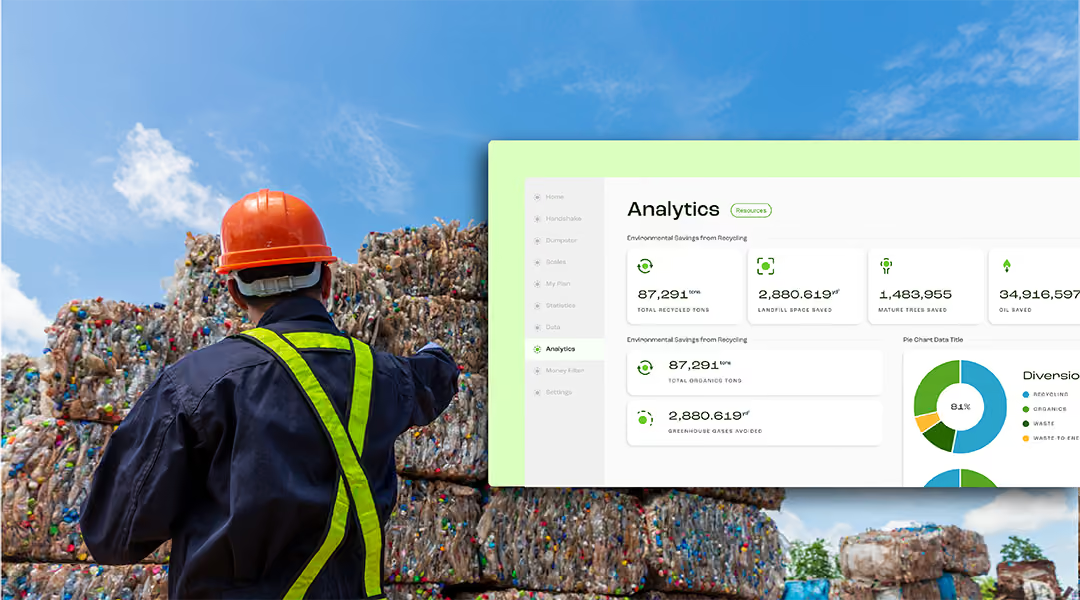
With a focus on sustainability, WHK provides tailored solutions to tackle waste challenges within each client. Collaboration is at the heart of our approach. Acting as a bridge between site managers, corporate offices, waste haulers, and recycling facilities, WHK ensures clear communication and streamlined waste management protocols. This collaborative effort not only reduces waste but also enhances public perception, operational efficiency, and overall sustainability for its clients. Better still, all of our services are supported by our proprietary waste management tracking system, eTrac, which is your one-stop location for all things waste program management.
In a world where responsible resource management is imperative, Waste Harmonics Keter offers the expertise and solutions necessary for companies to transform waste management into a strategic advantage. By embracing sustainable waste practices through WHK's guidance, organizations can lead the way toward a greener future while reaping the benefits of enhanced reputation and operational excellence.
Interested in learning more? Talk with a real person from our team.