Senior living communities across the United States are getting fuller.
In the second quarter of 2026, U.S. senior housing occupancy reached 89.9%, according to NIC MAP. That was up from 89.5% in the first quarter and marked the 20th consecutive quarter of occupancy growth. The number of occupied senior housing units also climbed to approximately 639,650, while year-over-year inventory growth remained just 0.4%. (NIC MAP)
For senior living operators, that trend is encouraging. Higher occupancy points to strong demand and healthier utilization of existing communities.
That increase also means more pressure on the systems that keep those communities running every day.
More residents mean more meals, more deliveries, more packaging, more cardboard, more recycling, more resident-generated waste, and more wear on the infrastructure that supports daily operations.
Waste and recycling may not be the first systems most operators think about when occupancy rises, but they are part of the operational backbone of every senior living community.
Higher Occupancy Creates More Operational Volume
A senior living community is a complex environment.
It may include resident apartments, dining facilities, common spaces, administrative offices, activity rooms, maintenance areas, outdoor spaces, and renovation or move-out activity. Each of those areas generates different waste streams and creates different service needs.
As occupancy increases, that activity scales.
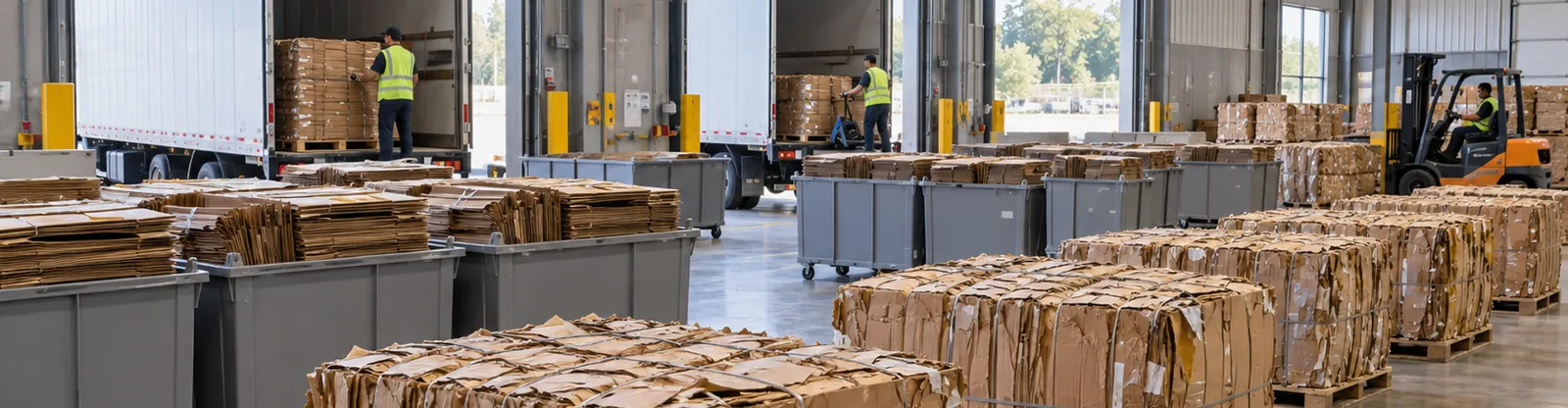
Dining programs serve more meals, deliveries increase, more boxes move through receiving areas, more resident waste enters the system, move-ins and move-outs can generate bulky items and furniture, and renovation projects create additional debris.
WHK’s senior living program is designed around those everyday, non-regulated waste streams, including solid waste, single-stream recycling, cardboard, dining and cafeteria organics, bulky items, furniture from move-outs, and renovation debris. (Waste Harmonics)
When communities are operating closer to capacity, service levels that once worked may no longer be the right fit.
A container that was adequate at 80% occupancy may be consistently overflowing at 90%. A pickup schedule that once worked may start creating unnecessary pressure on staff. A dining organics program may need to be reevaluated as foodservice volume grows.
That is why occupancy growth should trigger more than a staffing or leasing conversation. It should also prompt operators to ask whether their waste program has kept pace.
Most Senior Living Waste Is Not Medical Waste
Waste in senior living is often associated first with regulated medical waste.
That stream is important and requires specialized handling, but it is only one part of the overall waste picture.
WHK’s senior living approach focuses on the much larger volume of everyday, non-hazardous waste and recycling generated across a community, while regulated medical waste remains with qualified specialized providers under a clearly defined split scope. (Waste Harmonics)
The operational burden for facilities teams is often not limited to regulated streams. It is the daily coordination of trash, recycling, cardboard, food waste, furniture, bulky items, and other material across multiple locations and vendors.
Those everyday streams are where fragmented service can become especially difficult to manage.
One property may use one hauler for trash, another for recycling, another for organics, and a separate provider for bulky pickups. Across a regional or national portfolio, that complexity multiplies quickly.
As communities become fuller, so does the volume flowing through that fragmented system.
Dining and Food Waste Deserve Particular Attention
Dining is one of the most visible and important parts of the senior living experience.
It is also a major operational function!
More residents mean more meals served, more kitchen activity, more packaging and more organic material moving through back-of-house areas.
That increase can make dining waste one of the clearest opportunities to improve a senior living waste program.
WHK specifically includes dining and cafeteria organics within the everyday waste streams it manages for senior living communities. (Waste Harmonics)
For operators, the opportunity is not simply to add another waste container.
It is to understand how much material is being generated, whether the current pickup schedule matches actual volume, whether organics can be diverted from landfill where appropriate, and whether staff have clear, practical processes for separating materials correctly.
A well-run waste program should support dining operations, not create another task for them.
Multi-Site Operators Face an Added Layer of Complexity
The challenge becomes even greater for organizations managing multiple senior living communities.
Different properties may have different haulers, service frequencies, container sizes, local recycling requirements, billing structures, and levels of performance.
What looks manageable at one property can become difficult to oversee across 20, 50, or 100 communities.
So, standardization becomes extremely valuable.
WHK’s model is built around assessing waste and recycling across locations, standardizing service, right-sizing the program, coordinating vetted providers, and consolidating reporting. (Waste Harmonics)
That approach also aligns closely with WHK’s broader positioning: helping multi-site organizations get out of the day-to-day waste management business through managed service, centralized billing, proactive optimization, and a real point of contact rather than another layer of vendor complexity.
For a senior living operator, the goal should not be to make every community identical.
Each property has its own occupancy, layout, dining volume, service needs, and resident profile.
The goal is to create a consistent operating framework that can adapt to those differences.
Waste Service Should Scale With the Community
NIC MAP’s latest data suggests that senior housing demand continues to outpace new construction. Fifteen of the 31 primary markets it tracks were already at or above 90% occupancy in Q2 2026, and overall occupancy was expected to move beyond 90%. (NIC MAP)
That means many operators will need to get more out of the communities they already have.
Operational systems will need to scale efficiently, and waste and recycling should be part of that conversation.
The right program should help operators:
- Match container capacity and pickup schedules to actual community volume
- Reduce unnecessary pickups, overflows, and emergency service
- Consolidate vendors and invoices across multiple locations
- Improve visibility into waste, recycling, and diversion activity
- Make dining organics and recycling easier to manage
- Give facilities and operations teams one accountable point of contact
For senior living operators, waste management is ultimately not about dumpsters, but it is about maintaining clean, reliable, well-run communities without adding unnecessary workload to teams that already have a long list of responsibilities.
As occupancy continues to rise, the behind-the-scenes systems matter more, and the best waste programs are the ones residents never have to think about.