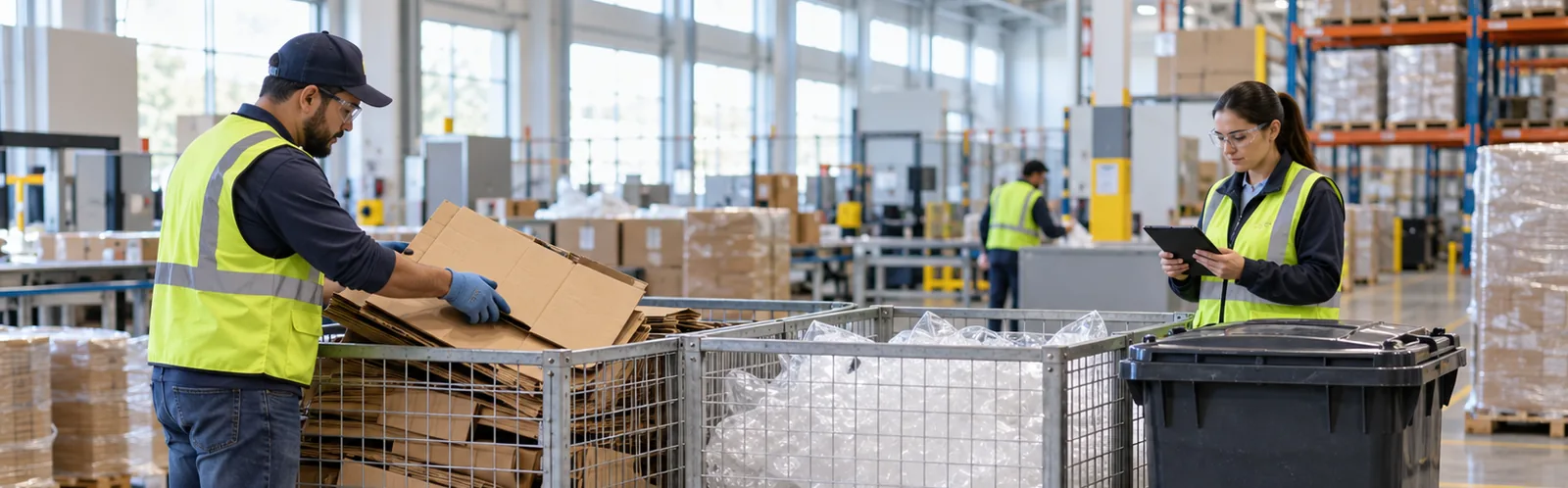
Food waste management costs show up in the full bin after dinner service, the ingredients thrown away, and the extra pickup on your invoice. Your restaurant may be paying for the same waste several times.
This guide helps restaurant owners and operators identify where those expenses begin. Learn how to review your bill, match containers and collections to demand, improve sorting, and compare providers without creating more work for your kitchen team.
Where Is Your Restaurant Losing Money on Food Waste?
Ingredients Discarded Before They Are Served
Food that never reaches a paying customer carries its purchase cost before any disposal charge is added. Spoiled produce, overprepared menu items, and excessive trimmings have different causes. Plate leftovers also warrant review, but they should not be recorded as the same problem as stock lost in storage.
Use a short waste log to record the item, approximate quantity, reason, and shift. Compare the findings with purchasing, menu demand, and preparation practices. A collection invoice will not reveal how much of your ingredient budget disappeared into the bin.
Staff Time Spent Handling Waste
Repeated trips to outside containers, repacking leaking loads, correcting sorting mistakes, and cleaning collection areas use paid staff time. Observe how material moves from preparation and dishwashing stations to storage. A service arrangement that fits the invoice but creates daily handling problems needs review.
Collection and Processing Charges
Separate scheduled service from extra collections, processing fees, rental, and exception charges. Track what was collected and whether visits occurred as agreed. More waste, poor scheduling, and missed service can all produce a full container, but each calls for a different response.
Waste Harmonics Keter’s restaurant and foodservice programs address food waste alongside other restaurant streams. That broader view matters: changing organics collection can affect ordinary trash capacity, access, and the work required at each location.
What Does Your Food Waste Management Bill Include?
Ask the provider to explain the charging basis for every line. Some arrangements price by visit, container, weight, or a combination. Confirm what is included before comparing proposals; a low base price is difficult to assess without the exclusions.
Use this table to organize your invoice review and the questions for your next quote.
| Cost Category | What to Check | Potential Cost Problem |
|---|---|---|
| Containers | Capacity, rental, cleaning, and replacement responsibilities. | Paying for unsuitable equipment or unplanned cleaning. |
| Collections | Frequency, completed visits, and additional pickups. | Unnecessary visits or recurring overflow. |
| Processing | Accepted materials and charging basis. | Unexpected fees or rejected loads. |
| Exceptions | Contamination, access, waiting, and return visits. | Charges outside the base quote. |
Match extra charges to service records. If an invoice lists a contamination fee, request the documented issue and the agreed charge basis. For an additional pickup, confirm who authorized it and why it was needed.
Are Your Containers and Pickups Matched to Demand?
Measure Waste Across Representative Service Days
Record container fullness before collection across quiet days, busy weekends, events, and seasonal changes. Note quantities or weights where practical, completed service, and any material left waiting. Do not set the permanent schedule from one unusually quiet week or one banquet.
Compare the longest gap between collections with the material generated during that interval. Two pickups a week can leave very different accumulation periods depending on the days chosen.
Check Capacity, Weight, and Storage Space
Food waste can be heavy even when a container is not full. Confirm load limits, approved liners, lid closure, and the method used to move containers. Assess cleaning arrangements, leakage control, storage location, and staff access alongside nominal volume.
A larger container cannot fix a blocked truck route or unclear loading responsibility. Measure the area and confirm collection requirements before changing equipment.
Compare More Capacity With More Frequent Collection
More capacity may accommodate peaks, while more frequent service can help a site with limited storage. Compare both options against hygiene requirements, waste characteristics, staff workload, and complete pricing. Do not extend storage intervals solely to reduce the number of visits.
The FDA Food Code provides model food-service provisions used by jurisdictions, including refuse handling and facility sanitation. Check the requirements adopted by your local authority when setting storage, cleaning, and collection practices; the model itself is not a single nationwide restaurant rule.
Could Sorting Mistakes Increase Your Costs?
Food waste collection is governed by the receiving processor’s acceptance rules. A rejected or contaminated load can create additional handling, fees, or a different disposal route. Obtain the written list for your restaurant rather than relying on a generic recycling poster.
- Packaging: Confirm whether food must be removed from packaging and whether a separate depackaging service is available. Do not assume wrapped or boxed food is accepted.
- Liners: Ask which bags or liners are approved for the specific collection and processing route.
- Serviceware: A compostable claim does not guarantee acceptance by the local processor. Confirm cups, cutlery, containers, and napkins individually where relevant.
- Separate streams: Keep glass, ordinary plastics, cleaning chemicals, and other excluded material out of food waste. Confirm used cooking oil and grease arrangements separately.
Check a sample of the stream during busy shifts, then correct the instruction or placement causing the error. Repeated contamination often indicates a workflow problem as well as a training need.
Can Your Team Follow the Setup During a Busy Shift?
Put Collection Points Where Staff Need Them
Plan around preparation, dishwashing, and clearing stations without obstructing work or compromising sanitation. Staff should not have to cross the kitchen repeatedly to use the right container. Agree the route from small indoor receptacles to the collection area.
Think of arranging a kitchen station: keeping the tool you need within reach makes the routine easier to follow. Waste separation works the same way. A correct bin in an inconvenient location can lose out to the nearest available one during a rush.
Keep Instructions Consistent Across Shifts
Use the same accepted-material list and container naming across opening, service, and closing teams. Train new and temporary staff, and explain common exceptions using materials they actually handle. Review instructions whenever the provider changes acceptance rules or the restaurant changes packaging.
Assign Cleaning and Escalation Responsibilities
Name the person responsible for emptying indoor receptacles, cleaning containers and storage areas, and reporting missed service. Establish a backup contact and an approval process for additional pickups. A bin that everyone uses still needs an owner.
How Can You Reduce Waste Before Paying to Remove It?
Collection improvements address the material that remains. Prevention addresses why it became waste. The EPA Wasted Food Scale places prevention among the most environmentally preferred pathways, alongside appropriate use of surplus food rather than automatically sending it for disposal.
- Purchasing: Compare orders with actual demand, stock on hand, delivery frequency, and shelf life.
- Inventory: Rotate stock appropriately and check storage practices before attributing spoilage only to purchasing volume.
- Preparation: Review batch sizes, trimming practices, and items repeatedly left unused at closing.
- Portions and menus: Investigate recurring plate waste and slow-selling items without assuming every leftover requires a smaller portion.
- Surplus food: Assess safe donation or other suitable arrangements with qualified partners, following applicable food-safety and handling requirements.
Keep food safety central. Do not extend storage or reuse food simply to make the waste log look better. Distinguish safe surplus from food that is no longer suitable for human consumption.
What Should You Ask a Food Waste Management Provider?
Give bidders the same site information, estimated quantities, operating hours, access constraints, and required records. Ask them to confirm the scope in writing.
- Acceptance: Which foods, packaging, liners, and serviceware are permitted, and what triggers rejection or contamination fees?
- Service: Which collection windows are available, what access is required, and how are missed visits resolved?
- Equipment: Who supplies containers, cleans them, replaces damaged units, and approves changes in capacity?
- Pricing: What is included, what creates additional charges, and how are extra collections authorized?
- Records: Which weights, service confirmations, destinations, and diversion records can be supplied?
For groups with several restaurants, managed waste and recycling services can coordinate providers and consolidate service information. Local acceptance and logistics still need confirmation for each location.
Is the Cheapest Service Actually the Better Deal?
Compare the complete monthly arrangement with the staff work and exceptions it creates. An inexpensive schedule that regularly leaves waste waiting can require extra visits and cleanup. A higher-priced proposal may include useful service, but it may also include capacity or frequency the restaurant does not need.
The awkward conversation starts when the owner asks why the bill rose and nobody can explain the extra collections or contamination charges. Keep approval records and review exceptions with the provider so the next decision is based on documented causes.
Paying for unused capacity wastes money. So does a setup that repeatedly needs emergency collections and staff workarounds. Compare full quotes against your actual operation, including the cost of internal labor. Reducing food waste can save ingredient spend even if your collection contract does not immediately become cheaper.
Food Waste Management With Waste Harmonics Keter
Waste Harmonics Keter’s organics and food waste service covers food scraps, spoiled product, and kitchen waste. Its published approach includes reviewing streams, local requirements, vendors, and costs; coordinating haulers and processors; and recording collections, weights, and contamination information.
For restaurants, that supports matching service capacity and schedules to demand while keeping activity and costs visible. The company describes routing organics to composting, anaerobic digestion, or other recovery pathways. Confirm the available destination and accepted materials for each location rather than assuming every processor accepts the same load.
Evaluate the program using completed pickups, overflow incidents, avoidable extra visits, contamination issues, and invoices that match authorized work. Request the available supporting records for diversion claims. Used cooking oil and grease services are scope-dependent and should be confirmed separately.
Start With the Costs You Can Verify
Gather recent invoices, the service agreement, representative waste observations, and records of missed or extra pickups. Separate ingredient losses from disposal expenses, then identify which changes your team can make and which require a provider review.
Share those findings, operating hours, access details, and container information with Waste Harmonics Keter. A proposal based on your kitchen’s actual demand is easier to assess than a standard package with unexplained allowances.
Frequently Asked Questions
What Affects Restaurant Food Waste Management Costs?
Waste quantity and weight, container arrangements, collection frequency, processing rules, loading conditions, and additional services all affect the quote. Compare the full scope and exception charges, not just the base collection price.
Can Food Waste Separation Lower Your Restaurant’s Costs?
It may improve recovery and reduce some mixed-waste demand, but savings depend on collection, processing, labor, and contract terms. Track both organics and ordinary trash after the change. Separation alone does not guarantee a lower bill.
How Often Should Restaurant Food Waste Be Collected?
Set frequency around waste volume, storage capacity, waste characteristics, hygiene, and applicable local requirements. There is no universal schedule for every restaurant. Confirm it with the provider and reassess after recurring overflow or operational changes.
What Should a Food Waste Management Quote Include?
It should state accepted materials, containers, collection frequency, cleaning and loading responsibilities, processing charges, exclusions, extra-service terms, and available records. Confirm the escalation contact and who may approve changes.