Introduction
The global community is placing increasing pressure on businesses to act sustainably in their practices. Because of this, companies are altering their approaches, innovating new methods, and focusing on improving age-old practices like waste management to meet these demands. Those changes are not enough, however, and Businesses must be able to prove to all stakeholders that not only are these changes taking place, but they are having the intended effect on the environment. Enter environmental, social, and governance (ESG) reporting. ESG reporting has emerged as a powerful tool for organizations to disclose their environmental and social footprints, governance practices, and progress towards sustainability goals. It is an evolution from the old corporate responsibility reporting. In this blog post, we will explore how ESG reporting can pave the way for positive change. Additionally, we will delve into the crucial role of transparent waste management practices in driving sustainable initiatives and how ESG reporting can support these efforts.
Understanding ESG Reporting
ESG reporting is a process by which companies voluntarily disclose information on their environmental, social, and governance performance to stakeholders. These reports provide insight into a company's efforts to reduce its environmental impact, foster social responsibility, and maintain robust governance practices.
A comprehensive ESG report provides a complete review of a company's initiatives and progress. It shares a company’s environmental impacts, such as greenhouse gas emissions or waste generation and disposal. Social aspects include workforce diversity, labor practices, and community engagement. Meanwhile, governance-related information involves executive compensation, board independence, and shareholder rights, among other topics.
Integrated reporting is an approach that combines financial and non-financial information in a cohesive narrative, offering a holistic view of a company's value creation. ESG reporting is often integrated into these reports, allowing stakeholders to better understand how sustainability practices align with overall business strategies.
ESG Reporting and the SEC
When it comes to ESG reporting, there is not a required one-size-fits-all method. This is due to different industries having unique environmental and social challenges, and thus, reporting frameworks must be flexible to account for these differences. However, there are established reporting organizations like the Global Reporting Initiative (GRI) or the Sustainability Accounting Standards Board (SASB) the set guidance for various ESG reporting frameworks.
In the United States, the Securities and Exchange Commission (SEC) has been actively exploring the requirement of ESG reporting into corporate disclosures of publicly traded organizations. This potential mandate of ESG reporting is meant to enhance transparency of sustainability practices among companies.
The Power of Transparent Waste Management
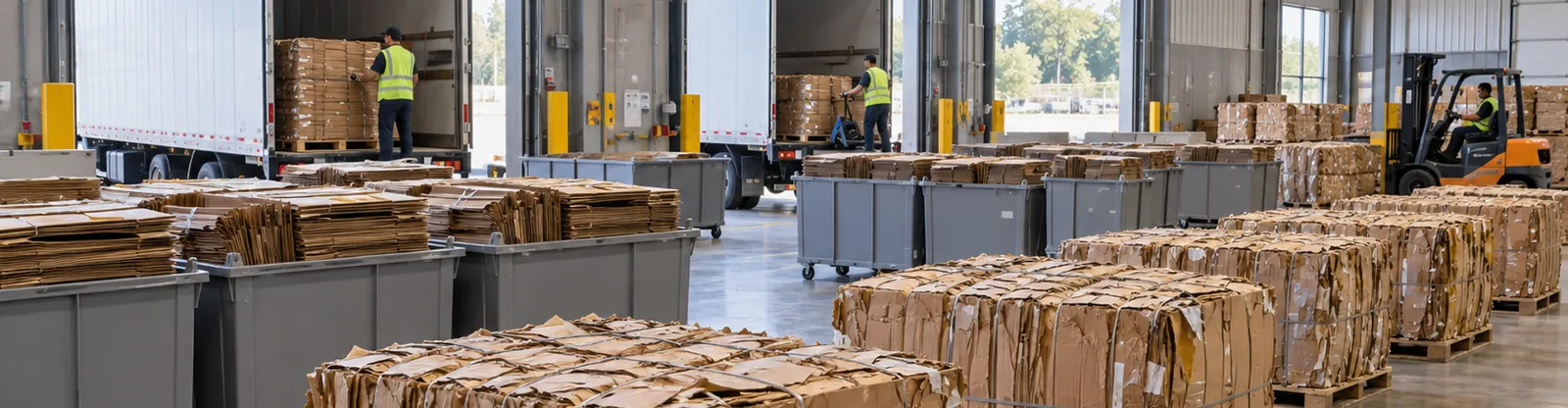
Waste management plays a critical role in the ESG framework, specifically in the "E" (Environmental) component. Companies that prioritize responsible waste management practices can significantly reduce their environmental footprint and foster positive social impacts. A large part of that is tracking your recycling and waste management operations.
Waste Management, Recycling, and Managed Services
To achieve effective waste management, companies are increasingly turning to recycling and waste managed services. Recycling reduces the burden on landfills, conserves resources, and lessens greenhouse gas emissions. Managed services, on the other hand, involve outsourcing waste management to specialized companies, enabling businesses to focus on core competencies while experts handle waste sustainably.
ESG Reporting and Waste Management
When it comes to ESG reporting, waste management is a key performance indicator. Companies are expected to disclose their waste generation volumes, recycling rates, and efforts to minimize waste. Transparent reporting on waste management practices fosters accountability, drives continuous improvement, and builds trust among stakeholders.
Transparency's Impact on ESG Reporting
Transparency is the key to creating positive change. When companies openly share their sustainability practices, it creates accountability and encourages continuous improvement, not just for them, but for their industry peers. Investors, consumers, and other stakeholders can make more informed decisions based on reliable data, encouraging companies to adopt more sustainable practices. The impact of sustainability reporting cannot be understated, as it not only shares the success of environmental initiatives but creates opportunities for improved business practices and financial savings.
ESG Summary and Accessibility
To make ESG reporting more accessible, many companies provide ESG summaries, which are concise overviews of their larger, more comprehensive reports. These summaries offer stakeholders a snapshot of the company's ESG performance and progress. By distilling complex data into an easily digestible format, ESG summaries empower stakeholders to engage with the sustainability agenda actively.
Conclusion
ESG reporting and transparent waste management are two powerful pillars driving positive change in the corporate world. Companies that embrace ESG reporting demonstrate a commitment to sustainable practices and accountability. When coupled with responsible waste management operations, businesses can make significant strides towards reducing their environmental impact, contributing positively to society, and fostering robust governance.
As ESG reporting continues to evolve and transparency becomes a core value in corporate practices, we can hope for a future where businesses prioritize sustainability, leading us towards a more resilient and equitable world for generations to come.
Achieve Data-First Recycling and Waste Operations with WHK
Here at WHK, our mission is to help corporations reduce waste, improve recycling, and communicate their ESG initiatives. WHK recycling and waste solutions include end-to-end data-driven methods that help you reach your ESG and sustainability goals. Whether you need waste data collection or want help from start to finish, we can help you reach your ESG goals and keep costs consistent for your company.